
Knowledge
Trademarks
A trademark represents a business identity in the marketplace. It may indicate a certain quality, reputation and goodwill and can therefore be particularly valuable when marketing goods and services.
In a nut shell:
Business identities
e.g. word, image, sound or motion
Exclusive rights to use
and stop others
Can be sold
or licensed
Unlimited lifetime
renewable every 10 years
Trademark typesThe most common trademark types are word marks, figurative marks or figurative marks containing word elements. However, trademarks can also consist of numerals, patterns, colours and sounds, to name a few.

Word mark

Figurative mark

Figurative mark containing word elements

Shape mark

Shape mark containing word elements
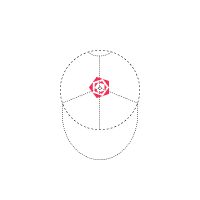
Position mark

Pattern mark

Colour mark

Sound mark

Motion mark

Multimedia mark

Hologram mark


Are all trademarks eligible for registration? To be registered, a trademark must be distinctive and distinguishable. Additionally, a trademark cannot describe the goods and services in question. Therefore, it is unlikely that a trademark consisting of the word oranges would be registered for oranges. Furthermore, a trademark cannot be confusingly similar to a previously registered trademark or company name in similar or connected operation.
Collective marksBy registering collective marks, companies or organisations can obtain proprietary rights for their members to use a common identifier for goods or services for commercial purposes. Since collective marks are essentially trademarks, they must meet the same registration requirements as trademarks. An application for registration of a collective mark shall also include the regulations established for the use of the mark. Any changes to said rules, post registration, must be announced to the ISIPO.
Certification and quality marksThose who establish standards, cerfity or monitor products and services can apply for the registration of a certification and quality mark. Since certification and quality marks are essentially trademarks, they must meet the same registration requirements as trademarks. An application for registration of a certification and quality mark shall also include the regulations established for the use of the mark. Any changes to said rules, post registration, must be announced to the ISIPO.
ProtectionA trademark registration in Iceland provides protection within Iceland in the form of an exclusive right to use the mark in business for specific goods and/or services. Therefore, it allows the owner to prevent others from using the same or similar trademarks in business for identical or similar goods and services. A trademark registration is valid for 10 years from the date of filing, after which the registration may be renewed for 10 years at a time as often as desired.
Filing procedureBefore applying for registration, it is advisable to make sure the trademark in question meets the requirements for registration. It is also sensible to use ISIPO‘s trademark search to see whether an identical or similar mark is already registered for the same or similar products or services. Once the application fees have been paid, the registration process generally takes around 8-10 weeks. If everything is in order, the mark will be published.
Protection in other countriesAn Icelandic trademark registration only provides protection within Iceland. If use of the trademark is planned overseas, it is advisable to apply for trademark registration in the countries where the intended use will take place.
After publicationAfter an application for registration has been filed to the ISIPO, and before a trademark is registered, a third party can submit observations against the registration of the mark. After the publication of the registration of a mark, an opposition may be filed within two months from the date of publication. If certain requirements are met, a registration can be revoked, in whole or in part. Anyone may use the aforementioned options.